Dental care has evolved significantly over the past several decades, with technological innovations transforming the way practitioners diagnose, plan, and perform treatments. Digital imaging systems, laser-assisted procedures, intraoral scanners, 3D treatment planning software, and computer-guided restorations have improved precision, efficiency, and patient outcomes across many areas of dentistry. While these advancements have elevated the quality of care available to patients, dental practices face an important challenge: maintaining a personalized and human-centered experience while incorporating increasingly sophisticated technologies. Patients often seek the benefits of modern dental treatments, but they also value trust, communication, empathy, and individualized attention. Successfully balancing these priorities has become a defining characteristic of many leading dental offices.
Technology Improves Efficiency and Accuracy
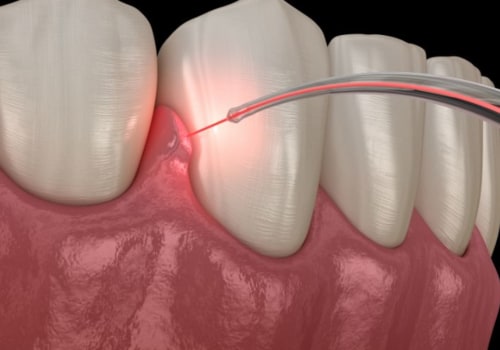
One of the most significant advantages of modern dental technology is its ability to enhance diagnostic accuracy and treatment efficiency. Digital tools allow practitioners to identify issues earlier, create more detailed treatment plans, and perform procedures with greater precision. Technologies such as digital radiography and intraoral scanning can often reduce treatment times while improving patient comfort. These advancements help streamline workflows and provide clinicians with valuable information that supports better decision-making. However, while technology improves clinical processes, it does not replace the importance of meaningful patient interactions. In many cases, the most successful dental practices use technology as a tool to strengthen—not replace—the relationship between provider and patient.
Communication Remains a Core Element of Care
Patients often feel more confident when they understand their oral health conditions and treatment options. Advanced technology can enhance these conversations by providing visual aids, digital simulations, and detailed imaging that help patients better understand recommended procedures. Rather than relying solely on verbal explanations, dental professionals can use technology to make information more accessible and easier to interpret. This approach encourages collaboration and helps patients participate more actively in decisions regarding their care. Effective communication remains essential because even the most advanced treatments require patient trust and understanding.
Personalized Care Reduces Anxiety
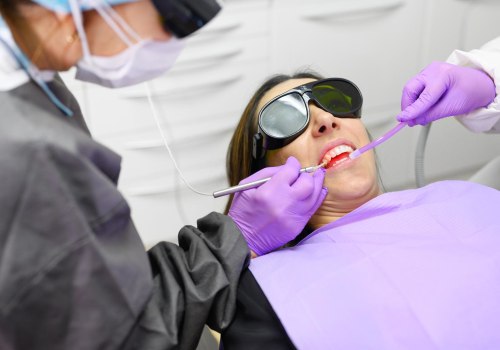
Dental anxiety remains a common concern for many individuals regardless of the technology available within a practice. Patients often value reassurance, empathy, and personalized attention when undergoing dental treatment. Modern equipment may improve efficiency and comfort, but the emotional aspects of care continue to depend heavily on human interaction. Dentists and support staff play a critical role in helping patients feel comfortable, answering questions, and addressing concerns. Personalized care helps create positive experiences that encourage long-term patient engagement and trust.
Technology Supports Administrative Efficiency
The patient experience extends beyond clinical treatment and includes scheduling, communication, follow-up care, and administrative processes. Modern communication tools help dental offices improve responsiveness and streamline routine interactions. Automated reminders, online scheduling systems, and intelligent communication platforms can reduce administrative burdens while improving accessibility for patients. Solutions such as Dial3d.ai for addiction treatment centers demonstrate how AI-powered communication technologies are helping healthcare-related organizations improve operational efficiency while maintaining patient engagement. Similar approaches can support dental practices by allowing staff to devote more attention to meaningful patient interactions.
Building Long-Term Relationships Through Innovation
Successful dental practices understand that technology and personalization are not competing priorities. Instead, they are complementary elements that work together to create better experiences. Advanced tools improve efficiency and treatment quality, while personalized care strengthens patient relationships and encourages trust. By combining both approaches, dental offices can meet modern expectations without sacrificing the human connection that remains central to healthcare.
The Future of Patient-Centered Dentistry
As dental technology continues to advance, practices will likely gain access to even more sophisticated tools that improve diagnostics, treatment planning, and patient communication. However, the importance of personalized care is unlikely to diminish. Patients want efficient, accurate, and innovative treatment options, but they also want to feel understood, respected, and supported throughout their healthcare journey. Dental offices that successfully balance high-tech capabilities with individualized attention are often best positioned to deliver exceptional patient experiences. By integrating innovation with compassion, modern dental practices can create environments where technology enhances care while preserving the personal relationships that make healthcare truly effective.