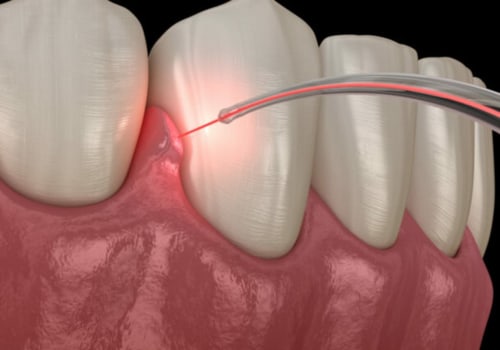
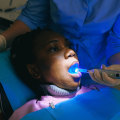
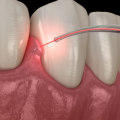
Dental laser cleaning is a modern approach that uses concentrated light energy during certain dental procedures. Depending on the technology and treatment plan, lasers may be used to address gum tissue, bacterial buildup, or other oral health concerns. The suitability of laser treatment depends on a patient's specific condition and the type of procedure being performed, so a qualified dental professional should determine whether it is appropriate. Dental lasers are not a replacement for routine brushing, flossing, professional examinations, or other preventive care. Instead, they may be incorporated into selected treatment plans as one of several available tools. Understanding what a procedure involves can help patients make informed decisions and feel more comfortable participating in their oral healthcare.
Connecting Oral Health With Whole-Person Wellness
Modern dental care increasingly recognizes that oral health is connected to broader health and quality of life. Dental problems can affect eating, speaking, sleeping, appearance, and confidence, while discomfort may make it harder for individuals to maintain normal routines. Maintaining healthy teeth and gums therefore contributes to more than a pleasant smile. Preventive habits such as brushing twice daily with fluoride toothpaste, cleaning between the teeth, eating a balanced diet, and attending regular dental examinations remain important foundations of oral wellness. Dental laser cleaning, when recommended, can complement these practices as part of a personalized treatment plan rather than replacing everyday oral hygiene.
Considering Patient Comfort
The experience of receiving dental treatment can influence how people approach future appointments. Some individuals may feel anxious about dental instruments, sounds, sensations, or concerns about discomfort. Because laser technology can be used for certain procedures with different techniques than traditional instruments, some patients may find the approach appealing. However, comfort and outcomes vary depending on the procedure and individual circumstances. Dental professionals can support patients by explaining what will happen, answering questions, discussing available comfort measures, and allowing appropriate breaks when possible. Clear communication can make treatment feel more predictable and may encourage patients to remain consistent with preventive dental care.
Exploring the Mind-Body Connection
Emotional wellness can influence how individuals experience healthcare. Dental anxiety may contribute to avoidance, while prolonged oral discomfort can affect mood, sleep, concentration, and social confidence. Taking these factors seriously can help create a more comprehensive approach to dental treatment. Relaxation techniques, mindful breathing, adequate sleep, and supportive communication may help some patients manage ordinary appointment-related stress. When dental anxiety becomes persistent or interferes with necessary care, professional psychological support may be appropriate. Resources such as Cabot Psychological Services Minneapolis can provide assistance for individuals experiencing anxiety, stress, or other emotional concerns. Psychological care can complement dental treatment by helping patients develop coping strategies without replacing the clinical care needed for oral health.
Building a Comprehensive Dental Care Routine
A modern dental wellness plan can combine preventive care, appropriate technology, healthy habits, and attention to emotional needs. Patients can ask their dentist whether laser treatment is appropriate for their specific situation and discuss expected benefits, limitations, alternatives, and recovery considerations. Individuals should also communicate relevant medical information, medications, allergies, and previous dental experiences before treatment. Ultimately, dental laser cleaning is best viewed within the larger context of personalized oral healthcare. By combining professional examinations with daily hygiene, balanced lifestyle habits, appropriate treatment technologies, and emotional support when necessary, individuals can take a more complete approach to maintaining oral health. The mind-body connection reminds patients that dental wellness is not solely about treating teeth and gums; it is also about supporting comfort, confidence, healthy routines, and the ability to participate fully in everyday life.